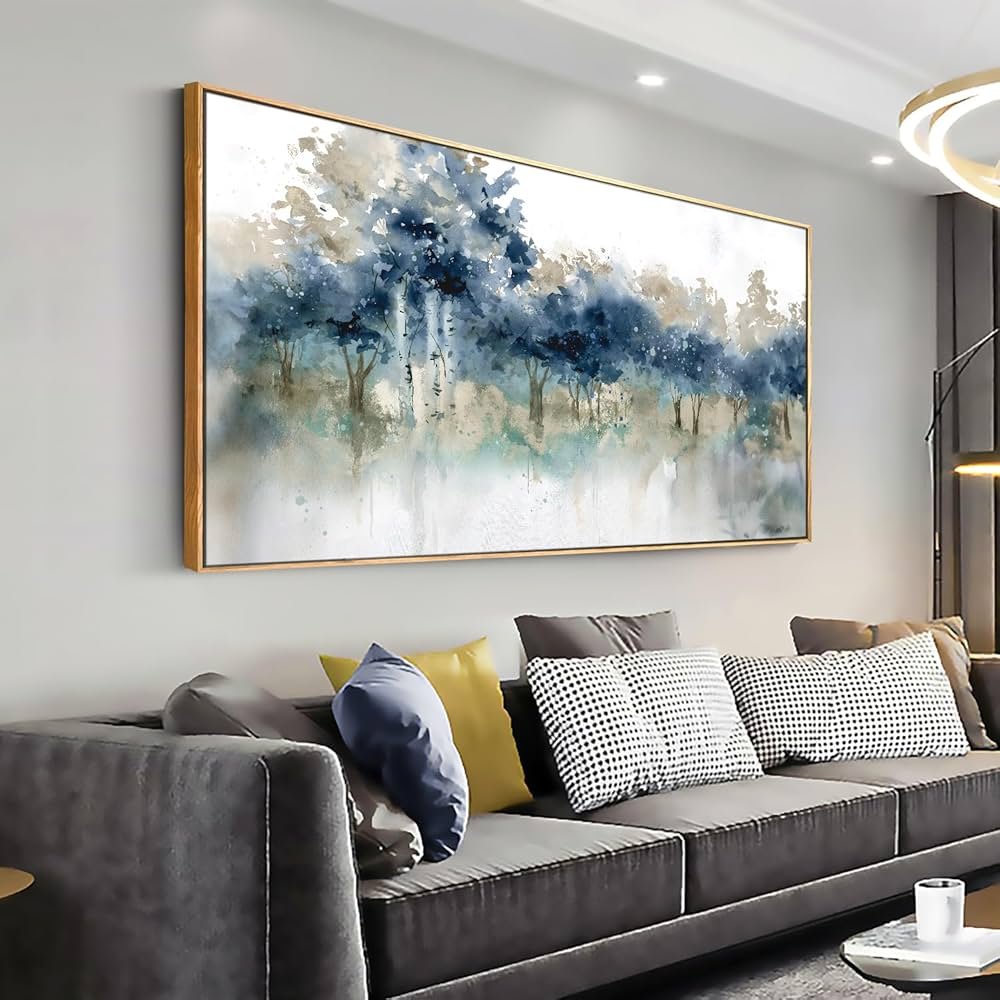
One’s artwork is a personal choice and it adds personality and flair to the rooms. We try to use original art to decorate our homes. home.wall.painting The wall paintings paintings for home can largely impact the aesthetic feeling the property gives off. In most conversations about the design of outdoor and indoor spaces, art is a luxury. If you choose it right, it can alter the way your space looks and create a unique atmosphere. Artwork can also give clues as to the culture of the people who live in the region.
Not an easy thing to do, not even with a designer or curator in the business. So if you are trying to improve your space, even if it’s your home, heed the following advice drawn from a manual of a pro on choosing art pieces and then build a work of art that would surely please you.
Table of Contents
Should it be choosy to choose the artwork?
Choosing the proper wall decorations for your private home includes a mix of intuition and considerate consideration. The first-rate paintings on your partitions is the only that speaks to you, that makes you suspect, “Yes! This is precisely me!” Whether you like cutting-edge abstracts, traditional paintings, or colourful prints, the right piece can rework a room and reflect your personality.
If you’re looking for artwork that surely matches your style, it allows to gather idea from expert gallery proprietors and skilled indoors designers. They propose thinking about the room’s coloration palette, furnishings, and lighting to make sure the piece enhances the gap. Don’t be afraid to mix styles or create a gallery wall for brought visible interest. Ultimately, your partitions need to inform a tale—your tale. With the proper art work, even a simple room can feel active, personal, and stylish.
Do we need to be careful of the sun?
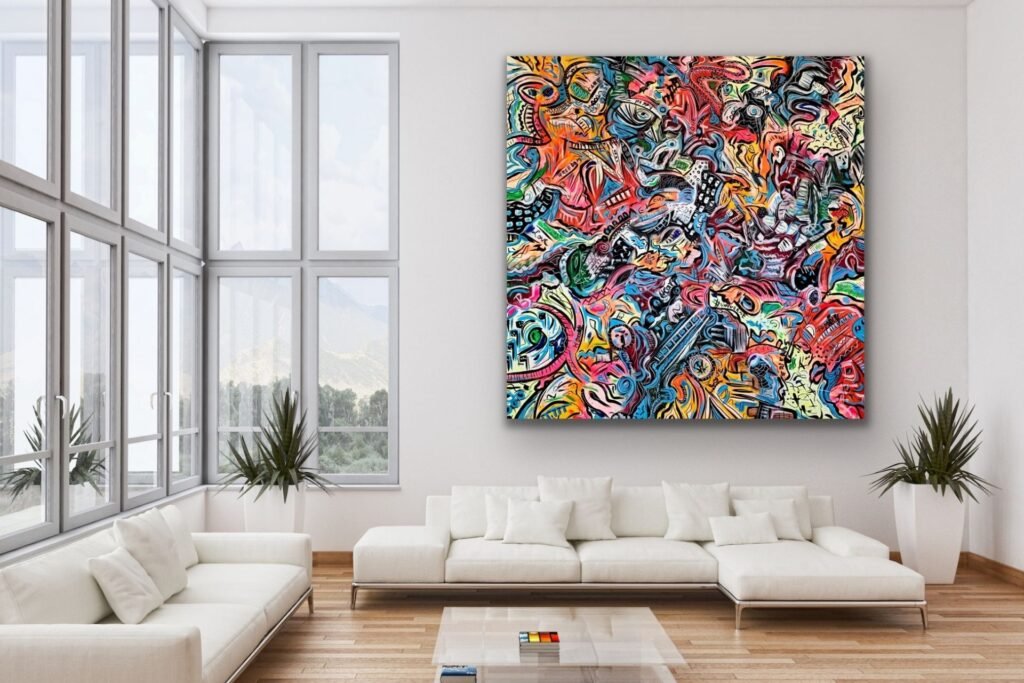
It is not a good idea to put artwork or photographs on paper in rooms filled with light, especially pictures or watercolors that will go faded. My living room is sunny and I love working on paper. But because I don’t have such concerns about rotating the art I own at home, as I do the art I have on loan at home, I am willing to pay slightly more for UV-treated Plexiglas every time I want to frame pictures, which are not spun around as often as the pictures I place in frames.
The art size and the idea: Who is helpful in small or large art?
I experience displaying each smaller and large portions of artwork at home. Artwork is versatile—it could be favored up near in intimate settings or popular from a distance as a bold focal point in a room. Larger portions evidently draw the attention and create a declaration, making them best for residing rooms, entryways, or above sofas. When arranging a couple of portions of art work on a wall, spacing is fundamental to keeping stability and visible concord.
If you’ve got an oversized piece you’d like to highlight along other art work, position it thoughtfully—approximately 15 inches away from surrounding pieces is a great guideline. This guarantees every piece stands out while still contributing to the overall association. By blending sizes and patterns, you could create a dynamic and visually engaging show that displays your personality and elevates the style of your private home. Artwork, when located with care, can virtually transform any space.
SIZE IS THE KEY
When choosing paintings for your area, it’s important to remember the scale and scale in terms of the room. The effect of a bit depends on how properly it suits the wall and complements the encompassing decor. Larger pieces can fill a room and create a focus, even as smaller works paintings high-quality in clusters or as part of a gallery wall. Always reflect onconsideration on wherein the paintings will “live” and the way it interacts with fixtures, lighting fixtures, and other design factors.
If you’re striking photos or paintings, a key guideline is to region the middle of the artwork between 1.Five m and 1.6 m from the floor, which ensures a herbal and visually snug viewing peak. By carefully choosing and positioning your paintings, you can decorate the room’s persona, balance, and fashion, turning normal walls into fascinating visible statements that reflect your flavor and elevate your interior layout.
Utilize art for the start line for the design processes
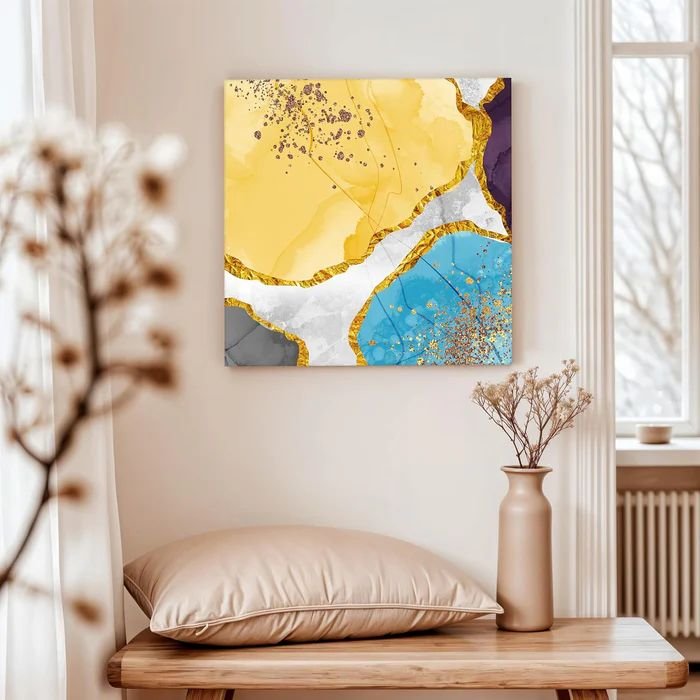
Art is a quick way to establish a room’s aesthetic and set the rest of it in style. Furniture generally does not last long and requires to be replaced. But the art is traditionally handed down through generations, grandfather to father to son. It is not easy to put up wall paintings for home of folks. It’s more complicated than hanging art in an exhibition’s black box. A rule of thumb is inch to 1 inch for hanging art. This is a fantastic idea. Of course, you’d have to make adjustments for furniture and any space things that space might have.
Framing concepts
I personally like to see art in frames, as they protect the art! Whether you choose a base shade that complements the frame, or go for something more eye-catching so your work pops off the frame, the artwork will look harmonious no matter what. I have always preferred wooden frames with the same design, simple with one (1) or a pair, that do not distract each other.
And I’m a huge fan of Peter’s wooden frames too. When working on paper, I made a habit of leaving the entire piece on a flat surface when I wanted to exhibit it (instead of a mat that you put a glaze on.) You should make sure there is a space fom your glaze and the paper surface of your art. Let the art have some ‘breathing room’ within the frame.
Be patient and trust your instincts